


Alle producten
-
Biologische Insecticiden
-
Biologisch Pesticide
-
Natuurlijke plantaardige insecticiden
-
Pesticiden voor maïsgewassen
-
Pesticiden voor fruitbomen
-
Pesticiden voor rijstgewassen
-
Pesticiden voor katoengewassen
-
Insecticide tegen theebomen
-
Biologisch fungicide
-
Biologische Meststof
-
Het Gel van het kakkerlakkenaas
-
De Moordenaar van het huisongedierte
-
De larven van muggen doden
-
Z-9-tricosene
-
Vlieg Dodend Aas
-
Ant Killing Bait
-
Organische Thee
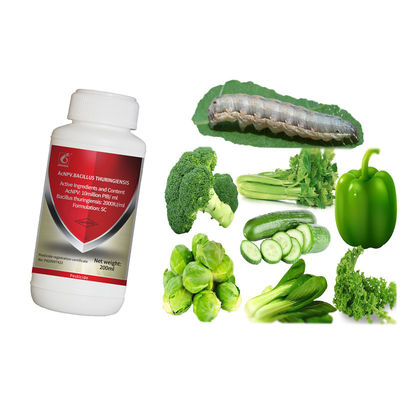
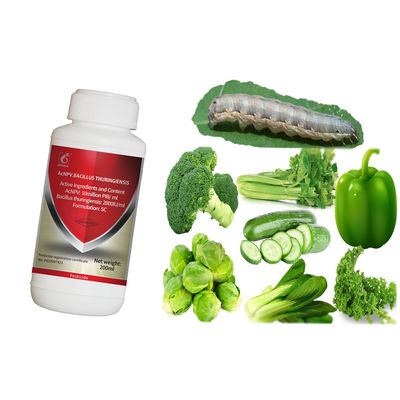
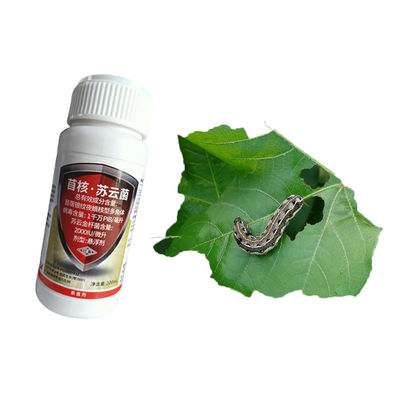
Ecologische bestrijding organisch pesticide AcNPV Bt doodt katoenblaadworm biet legerworm


| Plaats van herkomst | China |
|---|---|
| Merknaam | UNIOASIS |
| Certificering | PD20097862 |
| Modelnummer | N.v.t |
| Min. bestelaantal | 1000KG |
| Prijs | USD17/KG |
| Levertijd | 5-8 werkdagen |
| Betalingscondities | L/C, T/T |
Productdetails
| Markeren | organisch bestrijdingsmiddel voor katoenblaadworm,biologisch bestrijdingsmiddel voor bietenlegerworm,AcNPV Bt organische plaagbestrijding |
||
|---|---|---|---|
Productomschrijving
Biologische bestrijding Organisch bestrijdingsmiddel AcNPV Bt
Productoverzicht
Doelplaag:Spodoptera exigua, Spodoptera litura, Amerikaanse witte mot en andere plantenplagen
Gewassen:Kruisbloemige groenten
Actief bestanddeel:Autographa californica nucleaire polyhedrosisvirus (AcNPV) + Bacillus thuringiensis, BTK WP
Zuiverheid:10 miljoen PIB/ml AcNPV + 2000IU/ml Bt
Voorstel:Suspensieconcentraat (SC)
Nettogewicht:200 ml/fles of op maat
Werkmechanisme
Nadat insecten het bestrijdingsmiddel hebben ingenomen, werkt Bacillus thuringiensis eerst op de darmcellen van insecten, waardoor het immuunsysteem van het insect wordt verminderd en het vatbaarder wordt voor AcNPV-infectie.Het AcNPV komt dan het lichaam binnen en repliceert zich snel.Dit proces zorgt ervoor dat plagen hun vermogen verliezen om gewassen te beschadigen en uiteindelijk tot de dood leiden.
Het AcNPV blijft gezonde plagen en daaropvolgende generaties infecteren via lichaamsvloeistoffen en ontlasting van overleden insecten, waardoor een domino-effect ontstaat dat een langdurige bestrijding van plagen mogelijk maakt.
Productspecificatie
| Productnaam | AcNPV & BT |
|---|---|
| Hoofdinhoud | Autographa californica nucleaire polyhedrosisvirus (AcNPV) + Bacillus thuringiensis |
| Vervaardiging | SC |
| Actieve installatie | Kruisbloemige groenten |
| Actieve plagen | Spodoptera exigua, Spodoptera litura, Amerikaanse witte mot |
| Toepassing | Gebruik: 1200-1600 ml/ha, spuit |
Productkenmerken
- Biologisch gecertificeerd zonder residu van pesticiden
- Plagen ontwikkelen geen resistentie tegen virussen, waardoor ze op lange termijn effectief zijn
- Doorlopend gebruik is drie tot vier keer effectiever bij het bestrijden van de aanvankelijke populatie koolworm en diamondback mot
Voordelen van ons biologisch bestrijdingsmiddel tegen insectenvirussen
- Een beetje giftig:Zuivere biologische materialen en natuurlijke ingrediënten zorgen voor gewasveiligheid en voedselzekerheid
- Efficiënt en langdurig:Het virus verspreidt zich door insectenpopulaties, waardoor een opmerkelijk domino-effect ontstaat
- Niet-weerstand:Kan langdurig worden gebruikt; ideaal voor het bestrijden van zeer resistente insecten
- milieuvriendelijk:Doelwitten zijn alleen specifieke gastheren zonder invloed op natuurlijke vijanden.
- Omgevingscompatibiliteit:Lage vervuiling, laag energieverbruik en milieuvriendelijke productie
- Kosteneffectief:Langdurige effectiviteit vermindert de frequentie van toepassing en de arbeidskosten
Waarom biologische bestrijdingsmiddelen essentieel zijn voor groenten
Veel groenten worden zonder uitgebreide verwerking geconsumeerd (salades, sushi, enz.), waardoor de kwaliteits- en veiligheidsvereisten van de producten bijzonder streng zijn.Chemische bestrijdingsmiddelen bevatten sterke giftige stoffen die zelfs na wassen residuen kunnen achterlaten, die bij langdurige consumptie de gezondheid van de mens kan aantasten.
Onze biopesticiden bevatten geen chemische toevoegingen, zijn volledig natuurlijk, onschadelijk voor gewassen en zorgen voor voedselveiligheid vanaf de bron.Biopesticiden zijn uitgegroeid tot de optimale keuze voor de implementatie van duurzame groene bestrijding in de moderne landbouw.
Geadviseerde Producten
